
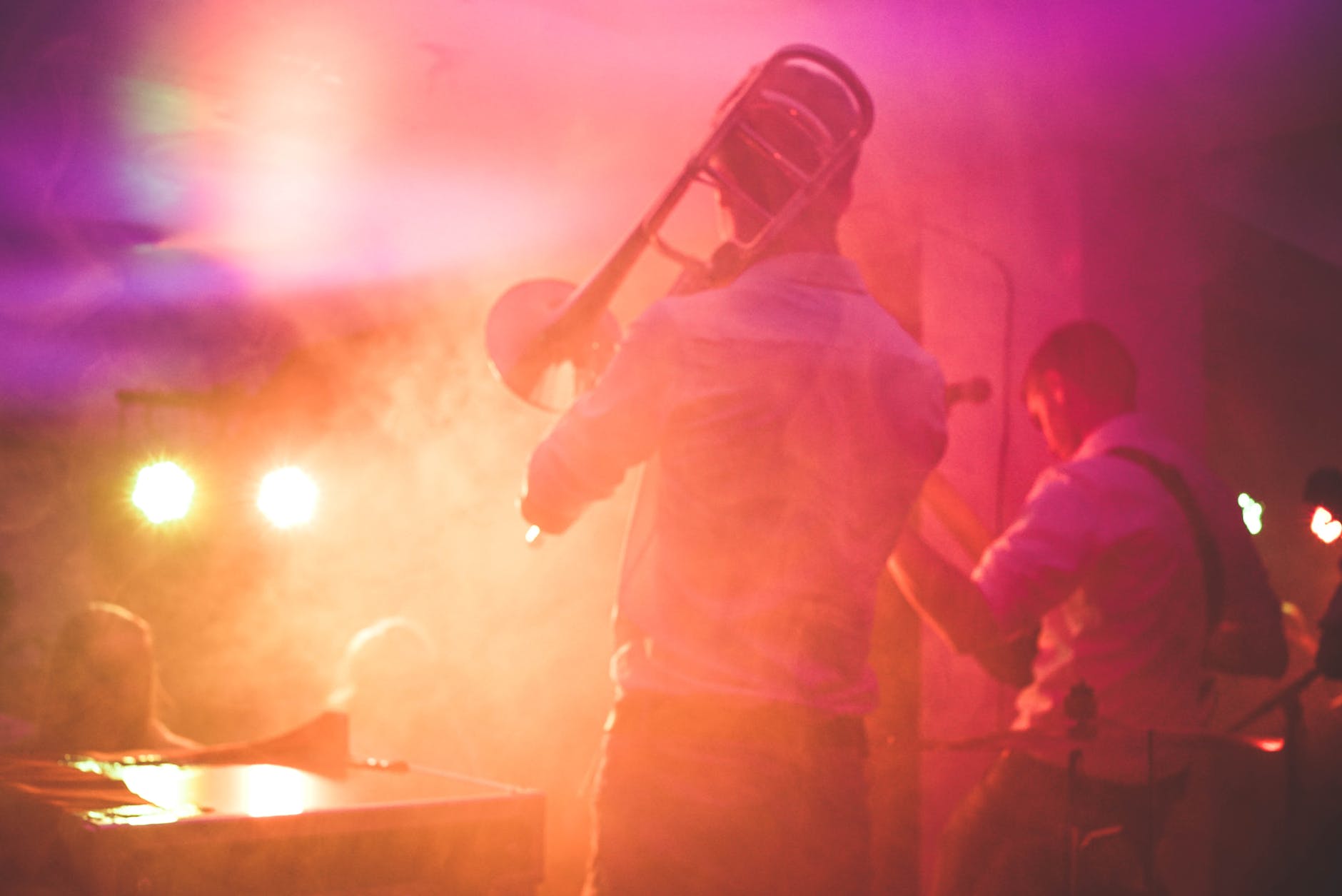
Jazz, the genre that embodies improvisation, soulful rhythms, and musical freedom, has a rich history in Long Island. From its early roots to the vibrant scene it is today, the evolution of jazz in this region is a story worth exploring. This article takes you on a journey through time, uncovering the milestones and key figures that have shaped Long Island’s jazz landscape.
- A Tale of the Roaring Twenties
The 1920s marked the beginnings of jazz in Long Island, as the genre gained popularity in the United States. Speakeasies and underground clubs became the breeding grounds for jazz musicians who defied convention and set the stage for a cultural revolution. Long Island’s proximity to New York City allowed the genre to flourish, attracting legendary artists like Louis Armstrong and Duke Ellington.
- Swingin’ into the Big Band Era
The swing era of the 1930s and ’40s brought big bands to Long Island’s music scene, enchanting audiences with their energetic performances. Iconic venues like the Roseland Ballroom and the Cotton Club hosted some of the most renowned bands of the time, leaving a lasting impact on Long Island’s jazz culture.
- Bebop and Beyond
As the post-war years rolled in, Long Island embraced the bebop movement, with musicians like Charlie Parker and Dizzy Gillespie revolutionizing jazz with their innovative improvisations. Local clubs and bars became hotspots for jazz enthusiasts, where the sounds of bebop resonated with the young and old alike.
- Long Island’s Jazz Festivals
The late 20th century saw the rise of jazz festivals across Long Island. Events like the Long Island Jazz Festival and the Jazz Loft’s Music Series showcased local talent and invited jazz legends from around the world to perform. These festivals not only celebrated the genre but also helped build a tight-knit jazz community.
- The Fusion Era
As the 20th century drew to a close, jazz in Long Island embraced fusion, incorporating elements of rock, funk, and world music into its sound. This experimental phase saw collaborations between jazz artists and musicians from other genres, leading to captivating and diverse performances.
- Honoring the Legends
Long Island takes pride in its jazz heritage, and various venues and institutions pay tribute to jazz icons who have left an indelible mark on the genre. The Jazz Loft, for instance, houses a museum and performance space dedicated to preserving and celebrating jazz history.
- Jazz Education and Future Prospects
Long Island’s commitment to jazz education has produced a new generation of talented musicians. Schools, workshops, and mentorship programs have nurtured young jazz enthusiasts, ensuring that the legacy of this dynamic genre continues to thrive.
Conclusion
The journey of jazz in Long Island has been one of constant evolution, adapting to the times while staying true to its roots. From its humble beginnings in clandestine speakeasies to the grand stages of modern festivals, jazz has shaped the cultural fabric of this region. As new generations of musicians continue to carry the torch, Long Island remains a vibrant hub for jazz enthusiasts and a testament to the enduring power of this timeless musical genre.

- St. Agnes Cathedral to Host Exquisite Baroque Concert - April 22, 2024
- What Music Reveals About Our Minds - January 29, 2024
- January 2024 Events at LIMEHOF - January 10, 2024