
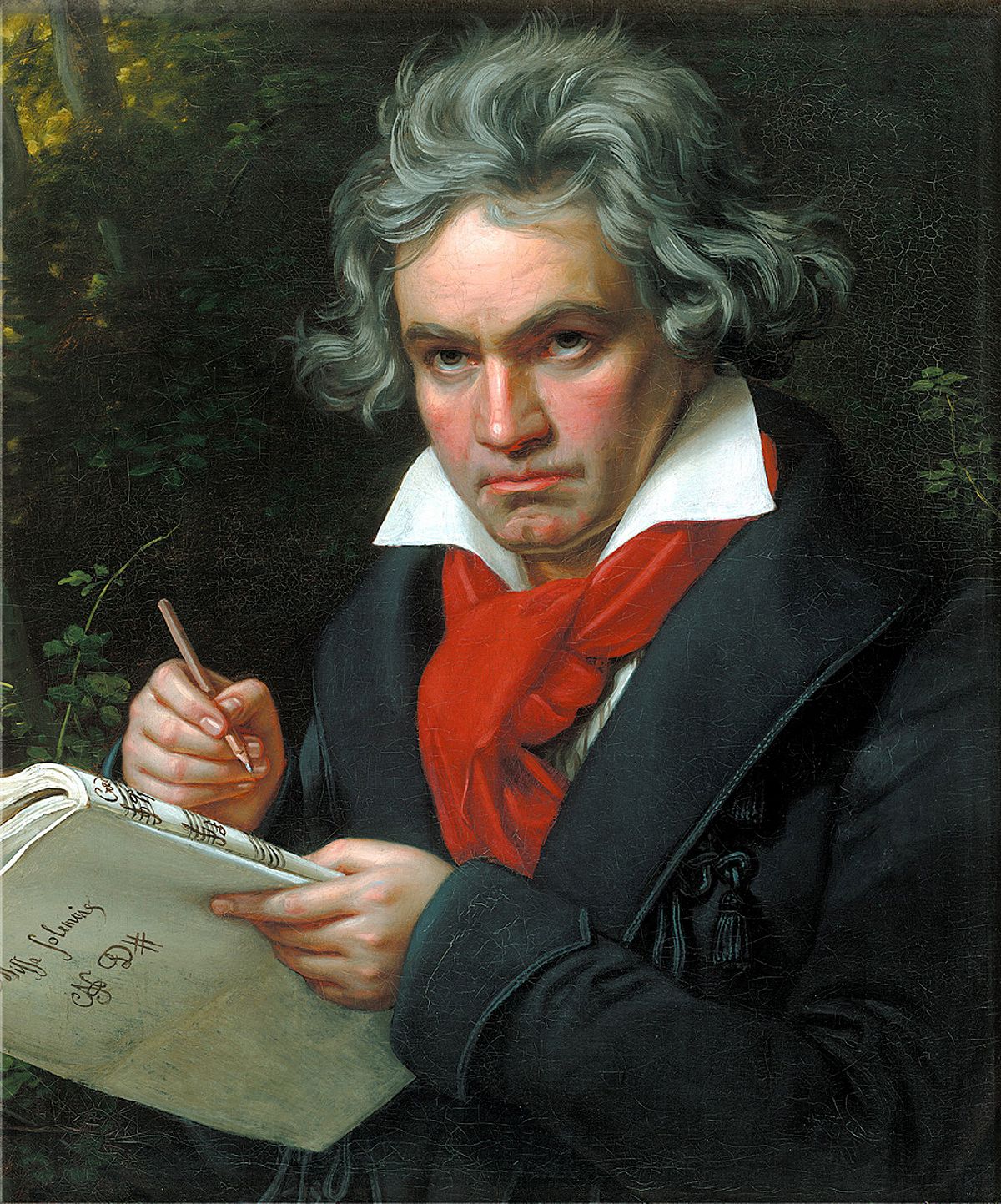
Ludwig van Beethoven, a musical genius of the late 18th and early 19th centuries, left an indelible mark on the world of classical music. Born in December 1770 in Bonn, Germany, Beethoven’s musical legacy transcends time, inspiring generations of musicians and shaping the course of music history. His innovative compositions, unmatched creativity, and enduring spirit have made him one of the most influential and celebrated figures in the realm of music. In this exploration, we delve into the profound impact Beethoven had on the world of music and the lasting influence he continues to exert on musicians and composers to this day.
- The Evolution of Beethoven’s Music:
Beethoven was a central figure in the transition between the Classical and Romantic eras of music. He began his career firmly rooted in the Classical tradition, heavily influenced by greats such as Mozart and Haydn. However, as his talent matured, Beethoven’s compositions evolved into a revolutionary blend of emotional depth and technical complexity. He expanded the structures of symphonies, sonatas, and chamber music, stretching the boundaries of traditional forms and introducing new thematic developments. His compositions showcased bold experimentation with harmony, dynamics, and rhythm, ushering in a new era of musical expression.
- Beethoven’s Impact on the Symphony:
Beethoven’s symphonies stand as towering monuments of artistic achievement. From the majestic “Eroica” Symphony to the iconic “Fifth Symphony” with its unforgettable opening motif, Beethoven’s symphonic works broke away from the conventional symphonic framework. He intensified the symphony’s emotional range and thematic complexity, transforming the genre into a profound and deeply personal form of artistic expression. Many composers who followed were heavily influenced by Beethoven’s symphonic prowess, and his innovative spirit continues to reverberate in the works of symphonists to this day.
- The Legacy of Beethoven’s Piano Music:
As a pianist himself, Beethoven’s piano music is an integral part of his legacy. His compositions for the piano demonstrate a unique blend of virtuosity and profound emotional depth. From the tempestuous “Moonlight Sonata” to the vibrant “Appassionata,” Beethoven’s piano works showcase his ability to express a wide range of emotions and experiences through the instrument. These pieces not only influenced pianists and composers of his time but have continued to inspire countless musicians, making them an essential part of the standard piano repertoire.
- Beethoven’s Impact on Future Composers:
Beethoven’s music was revolutionary in its time, and his impact on future generations of composers cannot be overstated. His groundbreaking approach to composition opened doors for composers to explore their creativity and delve into the depths of emotion in their works. The Romantic era, which followed Beethoven’s era, saw numerous composers, including Brahms, Wagner, and Tchaikovsky, building upon his ideas and pushing the boundaries of classical music even further.
- Perseverance and Inspiration:
Beethoven’s influence extends beyond his musical contributions. His life story, marked by personal struggles, including hearing loss, serves as an inspiration to artists and audiences alike. Beethoven’s unwavering determination to create music despite his profound deafness reflects the power of human resilience and the boundless potential of the human spirit. His ability to channel his emotions and express them through music has touched the hearts of millions and continues to be a source of solace and inspiration for people worldwide.
Conclusion:
Ludwig van Beethoven’s contributions to music are immeasurable, and his influence on the course of musical history is unparalleled. His pioneering spirit, daring experimentation, and emotional depth have left an enduring legacy that continues to shape the world of classical music and beyond. From the grand symphonies to the intimate piano sonatas, Beethoven’s compositions stand as a testament to the power of human creativity and the universality of music’s emotional impact. As we celebrate his timeless influence on music, we must also recognize the profound impact he has had on our collective appreciation for the beauty and transformative power of art.
