
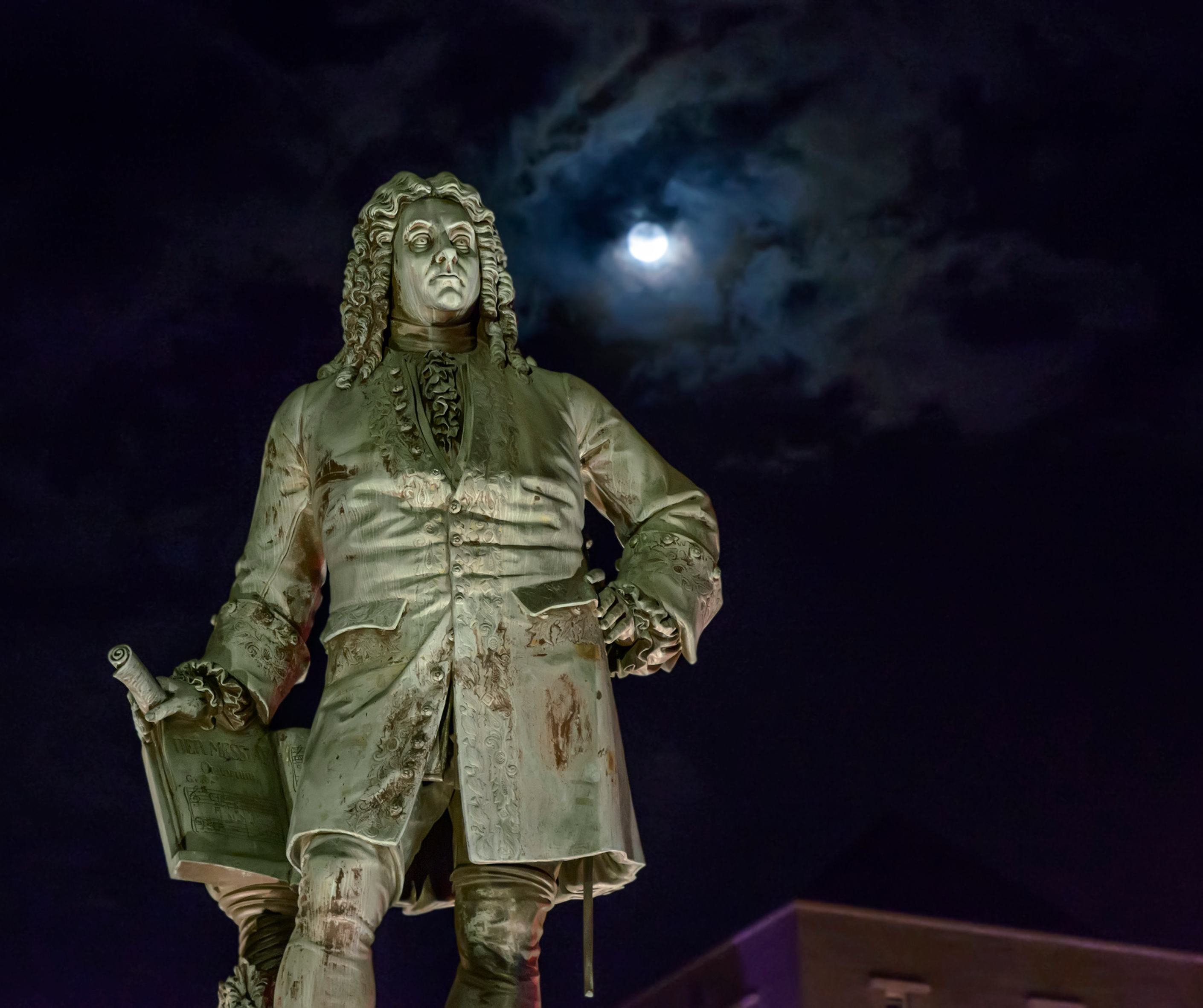
George Frideric Handel (1685-1759) was a German-British composer and one of the most influential figures in the Baroque era of music. Born in Halle, Germany, Handel displayed exceptional musical talent from a young age and received early training in composition and keyboard playing. He traveled extensively through Europe, absorbing various musical styles and influences.
In 1710, Handel settled in London, where he achieved great success as a composer of operas, oratorios, anthems, and instrumental music. He became the music director of the Royal Academy of Music, where he produced numerous operas that were well-received by the public. However, in the face of increasing competition and financial difficulties, he eventually transitioned his focus to composing oratorios.
“Messiah” and its Influence
One of Handel’s most renowned compositions is “Messiah,” an oratorio first performed in Dublin in 1742. The libretto, compiled from biblical texts by Charles Jennens, narrates the life of Jesus Christ, from the prophecies of His coming to His resurrection. “Messiah” stands as a crowning achievement of Baroque choral music, showcasing Handel’s exceptional talent for composition and his ability to evoke profound emotions through music.
The “Hallelujah” chorus from “Messiah” is arguably one of the most famous choral pieces ever written, stirring the souls of audiences worldwide with its powerful majesty. It has become a tradition in many English-speaking countries to stand during the performance of the “Hallelujah” chorus, a custom that originated when King George II stood during the first London performance, possibly moved by the music’s grandeur.

Performances in Churches and at Rockville Centre Cathedral
“Messiah” has been widely performed in churches and concert halls since its inception. Its religious themes and uplifting music make it a popular choice for Christmas and Easter celebrations. The piece’s ability to inspire both performers and listeners alike has solidified its position as an essential part of the choral repertoire.
In December 2022, the Cathedral of Rockville Centre on Long Island was host to a performance of Handel’s “Messiah.” The cathedral’s acoustics and grandeur provided a fitting backdrop for this timeless masterpiece. The performance likely captivated the audience and conveyed the profound spiritual message that Handel sought to express through his music.
Conclusion
George Frideric Handel’s life and musical contributions left an indelible mark on the world of music. His enduring masterpiece, “Messiah,” continues to be celebrated and performed, inspiring audiences with its glorious choral passages and evocative storytelling. As a composer, Handel’s legacy endures, ensuring that his works will be cherished and performed for generations to come.
